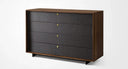
Buffet & Sideboards
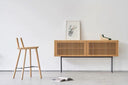
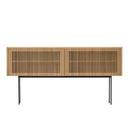
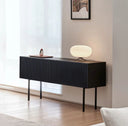
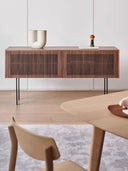
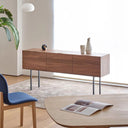
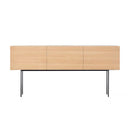
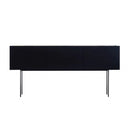
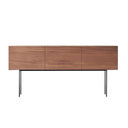
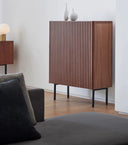
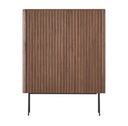
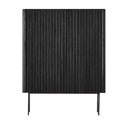
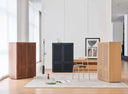
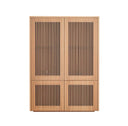
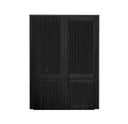
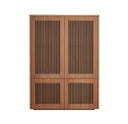
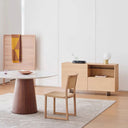
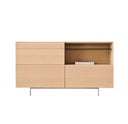
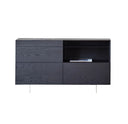
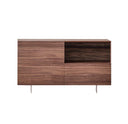
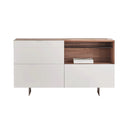
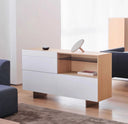
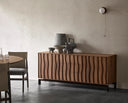
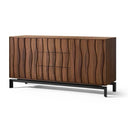
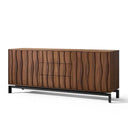
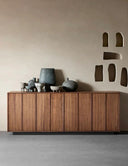
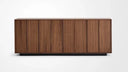
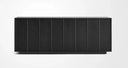
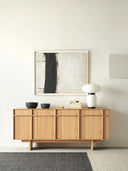
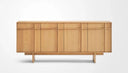
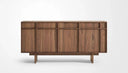
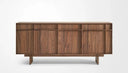
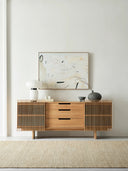
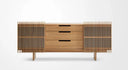
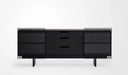
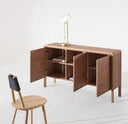
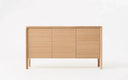
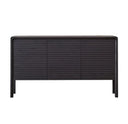
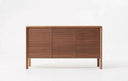
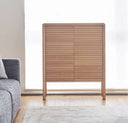
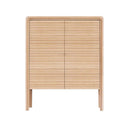
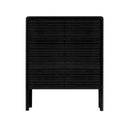
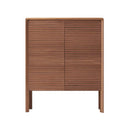
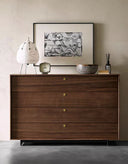
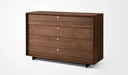
Buffet sideboards and multifunctional boards in White Oak, Noir Oak, and Walnut. The Kekoa, Hoku, Ele, and Malu series combine drawer and door compartments for dining storage, living room display, or bedroom organization, depending on placement.
Kekoa Multifunctional Board
Hoku Multifunctional Board
Kimo Side Board
Pali Side Board
Ele Multifunctional Board
MILILANI Side Board
TUA Side Board
ANYA Multifunctional Console
AHE Dresser
AHE Side Board
PIKA Side Board
PIKA Tall Side Board
Pukio Multi Functional Board
Pukio Side Board
KOLOA Dresser
FAQ
Where should I place a sideboard in my home?
The dining room is the classic spot, against a wall for serving and storage. But a sideboard is versatile, it works as a display surface in the living room, or as catch-all storage in a hallway or entryway.
What is the standard height for a sideboard?
Most stand 30 to 36 inches, about counter height. That puts the top at a comfortable level for serving food and makes it easy to reach into the drawers and cabinets below without stooping.
What should I store in a sideboard?
Whatever the dining room needs close at hand. Think dinnerware, table linens, serving pieces, candles, and wine accessories. The drawers handle the small things like silverware and napkins, and the cabinet sections take the platters and bowls.
How wide should a sideboard be relative to my dining table?
Keep it equal to or shorter than the table. A sideboard that runs longer than the table starts to overwhelm the room. For a 72-inch dining table, something in the 60 to 72 inch range looks balanced.
Are fluted or flat-panel door fronts easier to maintain?
Flat panels win on upkeep, since dust and grime have no grooves to settle into. Fluted fronts bring texture and depth to the piece, but the channels need the occasional brush or vacuum to stay clean. It is a small trade of maintenance for character.
How do I keep sideboard interiors dry in humid conditions?
A little moisture management helps. Tuck a silica gel packet or a small dehumidifier pouch inside the closed sections, and avoid storing damp or freshly washed linens in there. Cracking the doors open now and then lets the air circulate.
Do sideboards need wall anchoring?
Usually not the low, wide ones, which are stable on their own. Taller or narrower models are worth securing with anti-tip brackets, especially in Hawaii, where seismic activity is worth keeping in mind.